Subsurface energy: geothermal, CO₂ and hydrogen storage
Know how the deep subsurface will respond before you produce heat or store gas.
Producing geothermal heat or storing CO₂ and hydrogen changes pressure and temperature kilometres down. Cooling and pressure changes can make faults slip, the ground can subside, and a caprock has to hold for decades. Investors and regulators ask two plain questions: will it work, and is it safe?
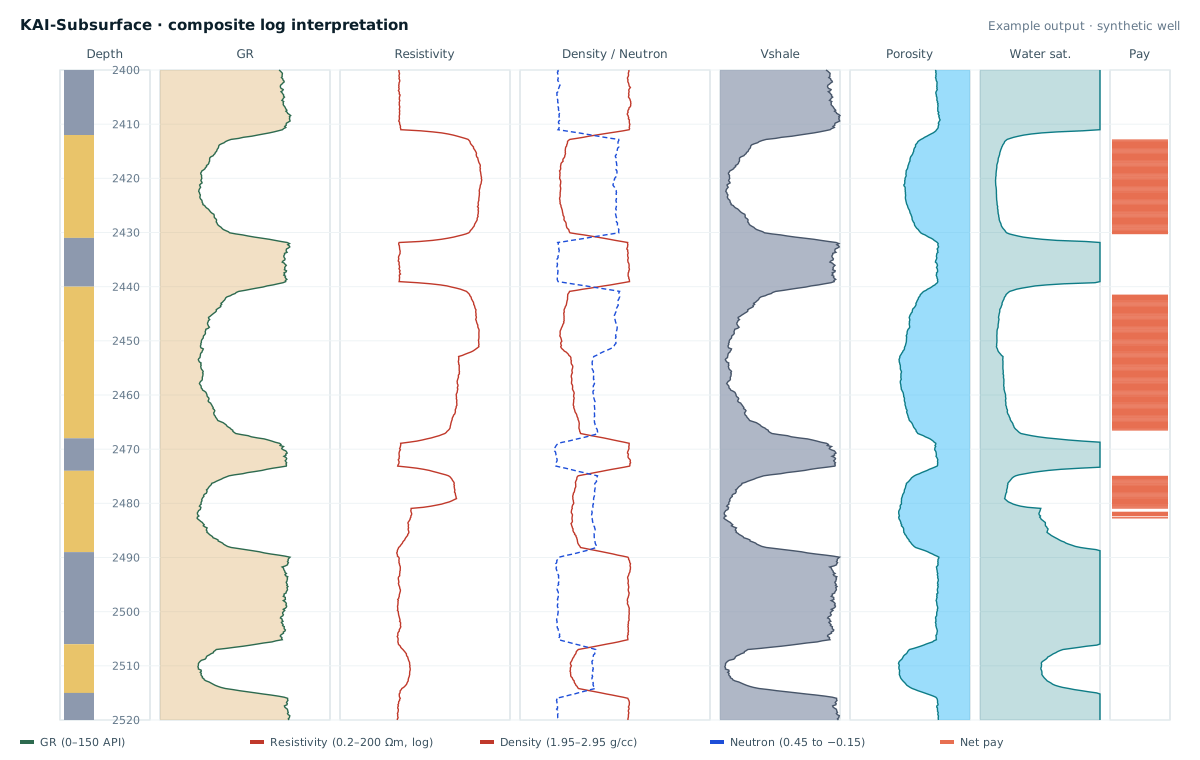
The evidence is there but scattered. Wells, seismic, laboratory tests on rock cores, seismometers and satellite measurements of ground motion are usually analysed one at a time, by different teams, so they give different answers and the uncertainty is lost between them.
Our solutionWe bring every dataset into one process-based model of your site: the layers and faults, temperature and stress, and how fluid flow, cooling and compaction change them over time. The model is checked against what was measured and carries the uncertainty from every source, so the answer comes with honest error bars.
As monitoring data arrive, the model is updated, so forecasts of pressure, temperature, ground motion and seismicity stay current: a digital twin of the reservoir that your engineers, investors and the regulator can open in a browser. KAI-Subsurface builds the geomodel today; KAI-GeoEnergy, in early access, adds the flow, heat and stress simulation. We work remotely, alongside your team.
Who it is for: Geothermal and storage developers, operators, investors, regulators and research programmes
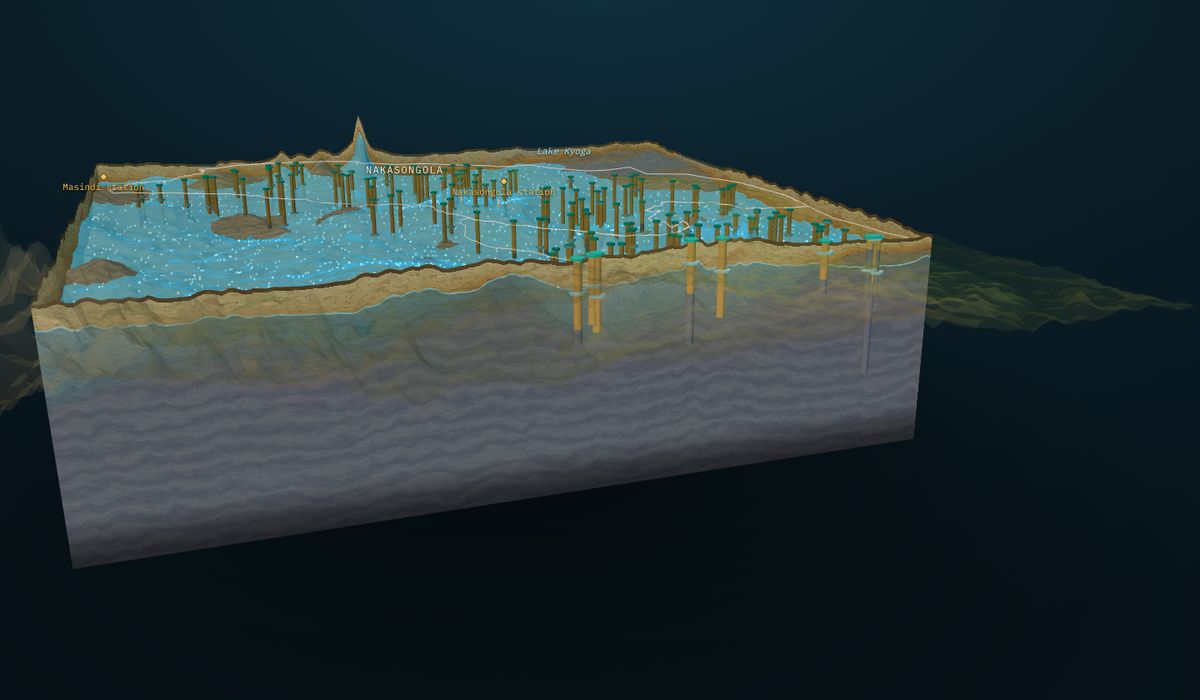
- One consistent model from all your data
- Uncertainty carried through, not hidden
- Forecasts updated as monitoring data arrive
- A remote co-worker for your subsurface team
How it works, step by step
Data
Wells, seismic, rock tests and monitoring records.
Integrate
One consistent model of layers, faults, temperature and stress.
Simulate
Fluid flow, heat and stress for each operating plan.
Calibrate
Checked against measurements, with uncertainty.
Forecast
Pressure, ground motion and seismicity, updated as data arrive.
What powers this solution
Interested in subsurface energy: geothermal, co₂ and hydrogen storage?
Contact our team today, or start in the KAI portal.